

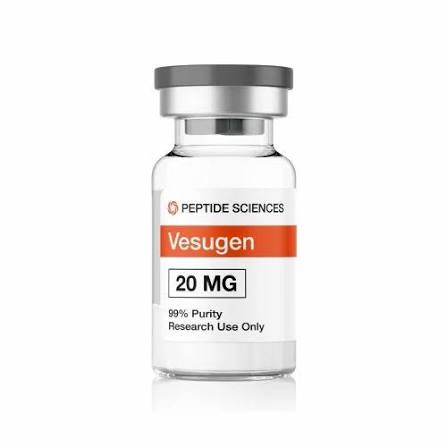
Vesugen 20MG Peptide: Research Overview, Cellular Health Science, and Safety Information
Introduction to Vesugen 20MG Peptide Research
Vesugen 20MG is a peptide compound that has gained attention in the field of bioregulator peptide research. Peptides are small chains of amino acids that play important roles in biological communication and cellular processes. Researchers continue studying specific peptides to understand how they interact with tissues, proteins, and regulatory pathways.
Vesugen is commonly discussed within peptide science because of its association with vascular and cardiovascular research. This article provides an overview of Vesugen peptide, including its scientific background, potential research applications, biological mechanisms, and important considerations.
What Is Vesugen Peptide?
Vesugen is a synthetic peptide associated with bioregulator peptide research. It belongs to a category of short peptide compounds investigated for their possible influence on cellular communication and tissue-specific processes.
Peptides like Vesugen are studied because they may act as signaling molecules. These molecules can help researchers understand how cells communicate, respond to biological changes, and maintain normal functions.
Research involving Vesugen focuses primarily on vascular biology and mechanisms related to blood vessel function.
Understanding the Science Behind Vesugen
The human body relies on complex communication networks between cells. Peptides are one type of biological messenger involved in these processes.
Researchers studying Vesugen examine how peptide-based signaling may relate to:
- Vascular tissue regulation
- Cellular communication
- Biological ageing processes
- Cardiovascular research pathways
- Tissue-specific functions
Scientific research into peptide bioregulators is ongoing, and findings may differ depending on research models, methodology, and experimental conditions.
How Does Vesugen Work?
Vesugen is studied as part of peptide research focused on vascular-related biological processes. Like other peptides, it may interact with cellular pathways involved in communication and regulation.
Research areas include:
Cellular Signaling
Cells communicate through various molecular signals. Peptide research explores how specific amino acid sequences may influence these communication systems.
Vascular Research
Vesugen is associated with studies involving blood vessel-related processes and vascular tissue biology.
Tissue-Specific Regulation
Researchers investigate whether certain peptides may have selective interactions with specific tissues and biological pathways.
The exact biological effects of peptide compounds require continued scientific investigation.
Potential Research Applications of Vesugen 20MG
Scientific interest in Vesugen has developed around several areas:
Cardiovascular Research
Researchers explore peptide-based mechanisms connected with vascular biology and cardiovascular systems.
Age-Related Cellular Research
Some bioregulator peptides are studied because of their possible relationship with cellular ageing processes.
Molecular Biology Studies
Peptides provide researchers with tools for investigating how biological signals influence cellular behaviour.
It is important to distinguish laboratory research from approved medical applications. Research findings do not automatically represent established treatments or guaranteed outcomes.
Vesugen and Peptide Bioregulator Research
Bioregulator peptides represent an emerging area of scientific investigation. These compounds are studied because of their potential role in supporting communication between cells and biological systems.
Researchers continue exploring:
- How peptides interact with cellular structures
- How signalling pathways are regulated
- How tissues respond to molecular signals
- How peptide research may contribute to future discoveries
This field continues evolving as scientists collect additional evidence.
Safety and Responsible Peptide Information
Understanding safety considerations is essential when discussing peptide compounds. Biological molecules can interact with complex systems, and individual responses may vary.
Important factors researchers consider include:
- Scientific evidence availability
- Research quality standards
- Biological interactions
- Long-term safety information
- Regulatory status
Anyone considering peptide-related products or treatments should consult a qualified healthcare professional for guidance based on their individual circumstances.
Regulatory Considerations in the USA
In the United States, regulatory requirements vary depending on the intended use, classification, and approval status of a compound.
Research peptides may not have the same regulatory status as approved pharmaceutical products. Consumers should verify information through reliable scientific and healthcare sources.
Understanding the difference between research compounds and approved medical treatments is an important part of responsible decision-making.
Frequently Asked Questions About Vesugen 20MG
What is Vesugen peptide?
Vesugn is a synthetic peptide studied within the field of bioregulator peptide research, particularly in areas related to vascular biology and cellular communication.
Why is Vesugen researched?
Scientists study Vesugn to better understand peptide signaling, tissue regulation, and biological processes connected with vascular systems.
Are peptides the same as medications?
No. Peptides are biological molecules that may be researched for different purposes, while medications undergo specific regulatory approval processes.
Is Vesugn approved for medical use in the USA?
Regulatory status depends on the specific application and approval pathway. Individuals should consult qualified healthcare professionals for current information.
Conclusion
Vesugn 20MG represents an area of interest within peptide and molecular biology research. Scientists continue exploring how peptide compounds influence cellular communication, vascular pathways, and biological regulation.
As peptide research develops, understanding scientific evidence, regulatory information, and responsible research practices remains essential. Accurate information allows readers to better understand emerging areas of biotechnology while recognising the difference between experimental research and established healthcare applications.

Reviews
There are no reviews yet.