
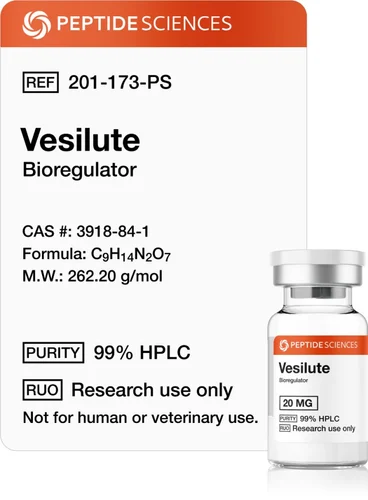
Vesilute 20MG Peptide: Research Overview, Biological Functions, and Safety Information
Introduction to Vesilute 20MG Peptide Research
Vesilute 20MG is a peptide compound discussed within the field of bioregulator peptide research. Peptides are naturally occurring or laboratory-developed chains of amino acids that play important roles in biological communication, cellular activity, and molecular signaling.
Modern peptide research has expanded as scientists investigate how specific peptide sequences interact with tissues and biological systems. Vesilute is studied as part of this growing area of research, with interest focused on cellular regulation, biological pathways, and tissue-related processes.
This article provides an educational overview of Vesilute 20MG, including its scientific background, potential research areas, mechanisms, and important considerations.
What Is Vesilute Peptide?
Vesilute is a synthetic peptide associated with bioregulator peptide studies. Peptide bioregulators are short amino acid compounds researched for their possible role in supporting communication between cells and biological systems.
Unlike traditional chemical compounds, peptides work through molecular signaling processes. Researchers study these molecules to understand how they may interact with specific cellular pathways.
Vesilute research is generally discussed in the context of peptide science, molecular biology, and tissue-specific regulation.
Understanding Peptide Bioregulator Science
The human body depends on complex communication networks that allow cells, tissues, and organs to coordinate functions. Peptides are one category of molecules involved in these signaling processes.
Scientists researching peptide bioregulators examine how these compounds may influence:
- Cellular communication
- Protein activity
- Tissue-related pathways
- Biological regulation mechanisms
- Molecular interactions
Research into peptide compounds continues to develop, and scientific understanding may change as new studies become available.
How Does Vesilute Work?
Like other peptides, Vesilute is investigated based on how its amino acid structure interacts with biological systems.
Researchers explore peptide mechanisms by studying:
Cellular Signaling Pathways
Cells use chemical signals to communicate and regulate activity. Peptide research focuses on understanding how certain molecules may influence these communication networks.
Tissue-Specific Research
Some peptides are studied because of their potential interaction with particular tissues or biological functions.
Molecular Regulation
Scientists examine how peptide sequences may contribute to biological processes at the cellular level.
The exact effects of peptide compounds depend on research conditions, formulation, and biological factors.
Research Areas Associated With Vesilute 20MG
Scientific interest in Vesilute is connected with broader peptide research fields.
Cellular Health Research
Researchers study peptides to better understand cellular maintenance, communication, and regulation.
Molecular Biology Studies
Peptides provide valuable tools for exploring how biological systems function at the molecular level.
Age-Related Research
Some peptide compounds are investigated as part of research into biological ageing processes and cellular changes over time.
It is important to note that laboratory research does not automatically translate into approved treatments or confirmed health outcomes.
Potential Scientific Importance of Peptide Research
Peptide science has become an important area of modern biotechnology. Researchers continue exploring peptide-based compounds because they offer insights into biological communication.
Areas of scientific interest include:
- Understanding cell-to-cell messaging
- Studying biological pathways
- Exploring tissue interactions
- Developing future research models
Peptide research helps scientists learn more about how biological systems operate and how molecular signals influence cellular activity.
Vesilute 20MG and Regulatory Considerations in the USA
In the United States, regulatory requirements depend on the classification, intended purpose, and approval status of a compound.
Research peptides may not have the same regulatory status as approved pharmaceutical products. Consumers should carefully evaluate scientific information and consult qualified healthcare professionals when discussing any health-related compounds.
Understanding the difference between experimental research materials and approved medical products is essential for responsible decision-making.
Safety Considerations and Responsible Research
Peptides interact with biological systems, making proper scientific evaluation important. Researchers consider several factors when studying peptide compounds, including:
- Quality standards
- Research evidence
- Biological activity
- Long-term effects
- Individual health considerations
Anyone exploring peptide-related topics should seek advice from qualified professionals regarding personal health decisions.
Frequently Asked Questions About Vesilute 20MG
What is Vesilute peptide?
Vesilute is a synthetic peptide studied within the broader field of bioregulator peptide research and molecular biology.
Why are peptides researched?
Scientists study peptides because they can act as biological messengers involved in cellular communication and regulation.
Are peptide research compounds the same as approved medicines?
No. Research compounds and approved medicines follow different scientific and regulatory pathways.
Is Vesilute approved for medical use in the USA?
Approval status depends on the specific compound, application, and regulatory classification. Current information should be verified through reliable healthcare and regulatory sources.
Conclusion
Vesilute 20MG represents an area of interest within peptide and molecular research. Scientists continue investigating how peptide compounds interact with cellular pathways and biological systems.
As peptide science evolves, understanding research findings, regulatory considerations, and safety principles becomes increasingly important. Responsible evaluation of scientific information helps readers better understand emerging biotechnology fields while distinguishing experimental research from established medical applications.
Reviews
There are no reviews yet.