
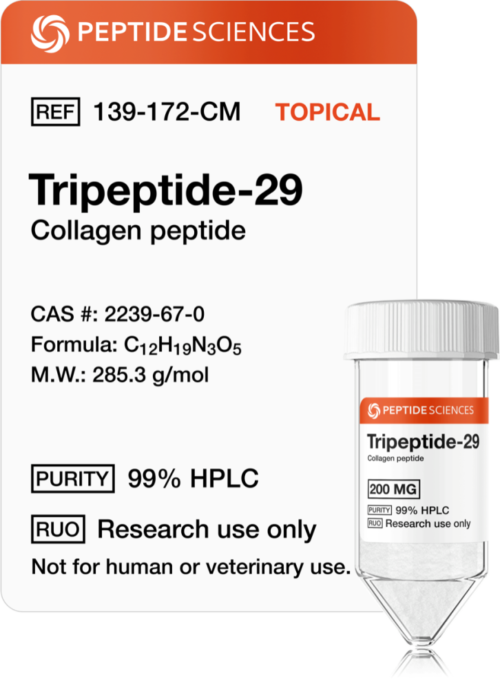
Tripeptide-29 200MG: Research Overview, Skin Science, Benefits, and Safety Information
Introduction to Tripeptide-29 200MG
Tripeptide-29 is a synthetic peptide ingredient that has gained attention in the cosmetic and skincare research industry. Peptides are short chains of amino acids that play important roles in biological communication and are widely studied for their potential applications in advanced skincare formulations.
Tripeptide-29 200MG is commonly discussed in relation to skin science, collagen-related research, and cosmetic ingredient development. This article explores the science behind Tripeptide-29, including its structure, potential skincare applications, research background, and important considerations.
What Is Tripeptide-29?
Tripeptide-29 is a peptide composed of three amino acids. In cosmetic science, peptides are often researched because of their ability to interact with skin-related biological pathways.
Many skincare formulations use peptide ingredients because they are designed to support communication between skin cells and contribute to the development of advanced cosmetic products.
Tripeptide-29 is primarily associated with research involving:
- Skin structure and appearance
- Collagen-related pathways
- Cosmetic formulation science
- Peptide-based skincare technologies
As with all cosmetic ingredients, research outcomes depend on formulation, concentration, product quality, and individual skin characteristics.
How Does Tripeptide-29 Work in Skincare Research?
Peptides function as molecular messengers. In skincare science, researchers investigate how peptide sequences may interact with skin cells and influence biological processes related to skin appearance.
Tripeptide-29 research focuses on several areas:
Collagen-Related Skin Research
Collagen is an important structural protein found in the skin. Cosmetic scientists study peptide ingredients to understand how they may interact with collagen-related processes and support the appearance of healthy-looking skin.
Skin Texture and Appearance
Peptide-based ingredients are often included in cosmetic research focused on improving visible characteristics such as smoothness, firmness, and overall skin quality.
Cellular Communication
Peptides are studied because they may participate in signalling pathways that influence how cells communicate.
Potential Cosmetic Applications of Tripeptide-29
Tripeptid-29 is mainly researched as a cosmetic ingredient. Common areas of interest include:
Anti-Ageing Skincare Research
Modern skincare science frequently explores peptides as part of anti-ageing formulations. Researchers examine how peptide ingredients may contribute to maintaining youthful-looking skin.
Skin Firmness Studies
Some peptide ingredients are investigated for their relationship with the appearance of firmness and elasticity.
Advanced Skincare Formulations
Peptides are widely incorporated into premium skincare products because of their targeted approach to cosmetic ingredient development.
Benefits of Peptide-Based Skincare Ingredients
Peptides have become popular in skincare research because they offer a science-focused approach to cosmetic formulation.
Common areas studied include:
- Supporting visible skin quality
- Improving the appearance of texture
- Complementing moisturising ingredients
- Enhancing advanced skincare formulations
However, cosmetic results can vary from person to person. Factors such as genetics, lifestyle, skincare routine, and product formulation all influence outcomes.
Tripeptide-29 Compared With Other Peptides
The skincare industry uses many different peptide ingredients, each with unique structures and research applications.
Examples of peptide categories include:
- Signal peptides associated with skin research
- Carrier peptides involved in ingredient delivery studies
- Enzyme-related peptide research compounds
Tripeptid-29 represents one specific peptide structure studied within the broader field of cosmetic biotechnology.
Understanding the differences between peptide ingredients helps consumers and researchers evaluate skincare formulations more effectively.
Safety Considerations for Tripeptide-29
When evaluating any cosmetic ingredient, safety and formulation quality are important considerations.
Factors to consider include:
- Ingredient sourcing
- Product formulation standards
- Skin compatibility
- Individual sensitivity
- Appropriate cosmetic use
People with sensitive skin or existing skin concerns should consult a qualified skincare professional before introducing new active ingredients.
Tripeptide-29 and Cosmetic Regulations in the USA
In the United States, cosmetic ingredients are subject to regulatory requirements designed to ensure product safety and proper labeling.
Cosmetic products must meet applicable standards regarding:
- Ingredient disclosure
- Manufacturing practices
- Product safety
- Marketing claims
It is important to distinguish between cosmetic research ingredients and medically approved treatments. Cosmetic peptides are generally evaluated based on their role as skincare ingredients rather than pharmaceutical therapies.
What is Tripeptide-29?
Tripeptid-29 is a synthetic peptide ingredient studied in cosmetic science, particularly in areas related to skin appearance and peptide-based skincare formulations.
Why are peptides used in skincare?
Peptides are used because they act as signalling molecules and are researched for their potential role in supporting visible skin improvements.
Is Tripeptide-29 a medical treatment?
No. Tripeptid-29 is discussed primarily as a cosmetic ingredient and should not be considered a replacement for medical treatments.
How do peptide skincare ingredients work?
Peptides interact with biological pathways involved in skin communication. Researchers study how different peptide structures may influence cosmetic outcomes.
Conclusion
Tripeptid-29 200MG represents an interesting area within cosmetic peptide research and modern skincare science. As the beauty industry continues evolving, peptide ingredients remain a major focus for researchers developing innovative skincare formulations.
Understanding the science behind Tripeptide-29 helps consumers make informed decisions about cosmetic ingredients while recognising the importance of product quality, responsible use, and realistic expectations.
Reviews
There are no reviews yet.