
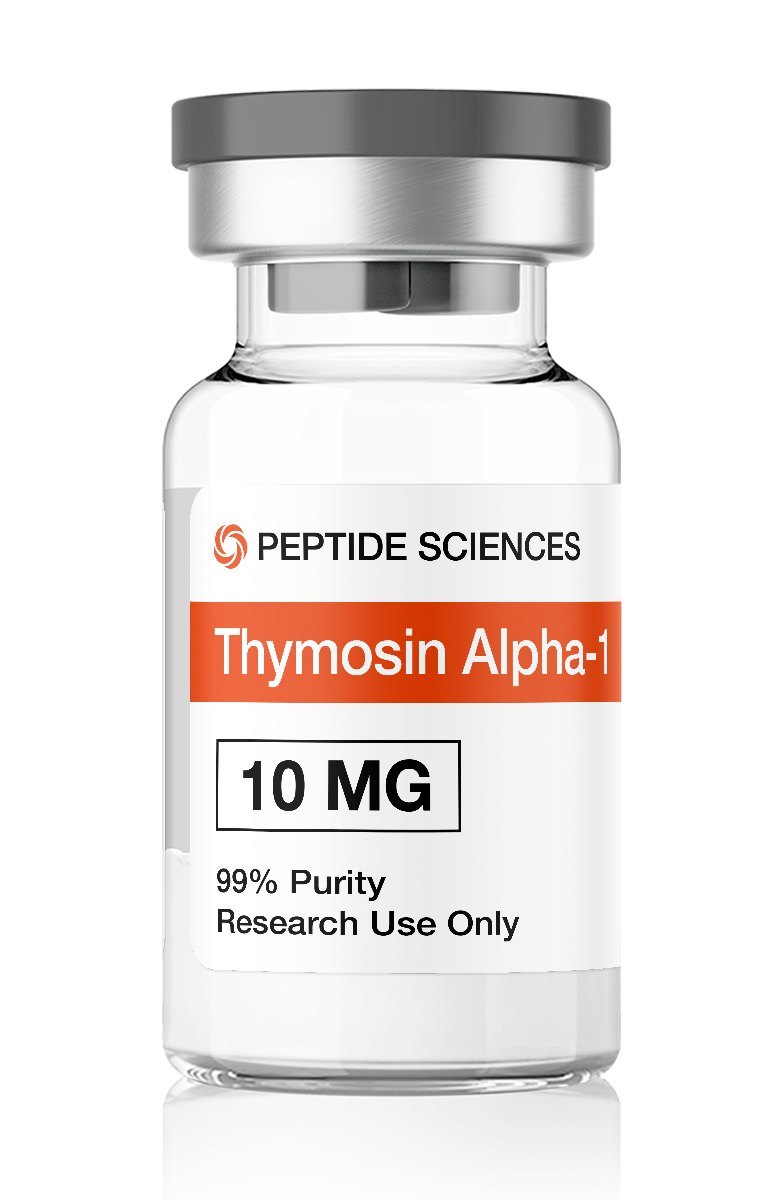
Thymosin Alpha-1: Research Overview, Immune Function, Mechanism, and Safety Information
Introduction to Thymosin Alpha-1 Research
Thymosin Alpha-1 is a naturally occurring peptide fragment that has been widely studied for its relationship with immune system regulation and cellular communication. As interest in peptide research continues growing, scientists have investigated Thymosin Alpha-1 for its potential role in understanding immune responses, biological signalling, and host defence mechanisms.
This peptide has become an important subject in immunology and biomedical research because of its interaction with immune cells and regulatory pathways. This article provides an educational overview of Thymosin Alpha-1, including its biological functions, research applications, mechanisms, and safety considerations.
What Is Thymosin Alpha-1?
Thymosn Alpha-1 is a synthetic version of a peptide originally derived from thymosin fraction 5, a group of naturally occurring peptides associated with the thymus gland.
The thymus plays an important role in immune system development, particularly in the maturation of T cells. Thymosin Alpha-1 research focuses on how peptide signalling may influence immune-related processes.
Researchers have studied Thymosin Alpha-1 in areas including:
- Immune system regulation
- T-cell activity
- Cellular communication
- Inflammatory pathway research
- Host defence mechanisms
How Does Thymosin Alpha-1 Work?
Thymosn Alpha-1 is studied because of its interaction with different components of the immune system. Research suggests that peptides like Thymosin Alpha-1 may influence immune communication by affecting cellular signalling pathways.
Scientific studies have examined its relationship with:
T-Cell Function
T cells are specialised immune cells responsible for recognising and responding to certain biological threats. Researchers study Thymosin Alpha-1 because of its connection with T-cell development and activity.
Immune Response Regulation
The immune system requires careful balance. Research into Thymosin Alpha-1 explores how immune responses may be regulated through peptide signalling.
Cytokine Communication
Cytokines are signalling molecules that help immune cells communicate. Scientists investigate how peptide compounds may interact with cytokine pathways.
Research Areas Associated With Thymosin Alpha-1
Thymosn Alpha-1 has been studied in several areas of biomedical research.
Immunology Research
One of the primary areas of interest is understanding how peptides influence immune system activity and communication between immune cells.
Infectious Disease Research
Researchers have explored Thymosn Alpha-1 in connection with immune response studies involving infections and immune challenges.
Cellular Health Studies
Scientists continue investigating how peptide signalling may affect cellular processes involved in maintaining biological balance.
It is important to understand that research findings vary depending on study design, population, and scientific methodology.
Potential Scientific Importance of Thymosin Alpha-1
Peptide research has contributed significantly to modern biotechnology and immunology. Thymosin Alpha-1 is studied because it provides insight into how small biological molecules can influence complex immune networks.
Areas of scientific interest include:
- Understanding immune signalling pathways
- Studying cellular communication
- Exploring immune system responses
- Investigating peptide-based research approaches
These studies help researchers better understand the relationship between peptides and biological systems.
Thymosn Alpha-1 and Immune System Science
The immune system functions through a complex network of cells, proteins, and chemical signals. Peptides such as Thymosin Alpha-1 are studied because they may participate in these communication systems.
Key immune components involved in research include:
T Cells
T cells are essential immune cells involved in identifying and responding to specific signals within the body.
Dendritic Cells
Dendritic cells help coordinate immune responses by presenting information to other immune cells.
Natural Killer Cells
Natural killer cells are part of the immune system’s defence network and are studied in relation to immune regulation.
Safety Considerations and Responsible Research
Because Thymosn Alpha-1 interacts with immune pathways, understanding safety and scientific evidence is essential.
Researchers consider factors such as:
- Biological effects
- Individual health conditions
- Immune system status
- Long-term research data
- Professional medical evaluation
Immune-related compounds can affect complex biological systems, so healthcare guidance is important when discussing any medical application.
Regulatory Information in the USA
In the United States, regulatory requirements for peptide compounds depend on their classification, intended purpose, and approval status.
Individuals should consult licensed healthcare professionals and trusted medical resources for accurate information regarding immune-related treatments.
Research compounds and approved medical therapies may have different regulatory pathways and requirements.
What is Thymosin Alpha-1?
Thymosn Alpha-1 is a synthetic peptide studied for its relationship with immune system regulation and cellular communication.
Why is Thymosin Alpha-1 researched?
Scientists study Thymosn Alpha-1 to understand immune signalling, T-cell activity, and peptide interactions within biological systems.
Is Thymosn Alpha-1 a hormone?
No. Thymosn Alpha-1 is a peptide involved in immune-related research rather than a traditional hormone.
How does Thymosin Alpha-1 relate to the immune system?
Research has explored its connection with immune cells, signalling pathways, and biological defence mechanisms.
Conclusion
Thymosn Alpha-1 remains an important topic in peptide and immunology research. Scientists continue exploring how this peptide interacts with immune pathways, cellular communication systems, and biological regulation.
As research advances, understanding the science behind Thymosn Alpha-1 requires careful evaluation of evidence, regulatory information, and responsible medical guidance. Accurate knowledge helps readers better understand emerging peptide research while distinguishing scientific investigation from established medical applications.
Reviews
There are no reviews yet.