
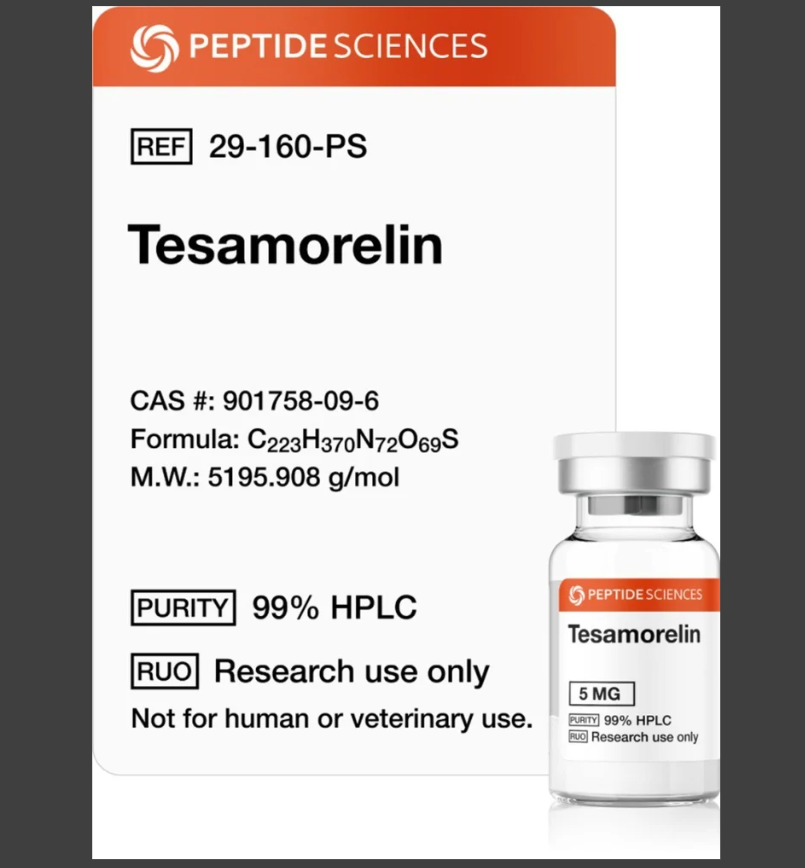
Tesamorelin 5MG: Research Overview, Mechanism of Action, Uses, and Safety Information
Introduction to Tesamorelin 5MG Research
Tesamorelin is a synthetic peptide analogue related to growth hormone-releasing hormone (GHRH), a naturally occurring hormone involved in regulating growth hormone production in the body. It has been extensively studied within endocrinology and metabolic research because of its interaction with the growth hormone pathway.
Scientific interest in Tesamorelin focuses on understanding how GHRH-related peptides influence hormone signalling, metabolism, and body composition. Research into Tesamorelin has contributed to broader knowledge of the endocrine system and the relationship between hormones and physiological processes.
This article provides an educational overview of Tesamoreln 5MG, including its biological mechanism, research applications, potential effects, and safety considerations.
What Is Tesamorelin?
Tesamoreln is a synthetic peptide designed to mimic the activity of growth hormone-releasing hormone (GHRH). GHRH is naturally produced by the hypothalamus and plays an important role in stimulating the pituitary gland to release growth hormone.
Growth hormone is involved in several biological processes, including:
- Metabolism regulation
- Tissue growth and repair
- Protein synthesis
- Body composition regulation
Tesamorelin research examines how activating the GHRH pathway affects growth hormone signalling and related metabolic processes.
How Does Tesamorelin Work?
Tesamorelin works by interacting with GHRH receptors in the pituitary gland. This interaction influences the natural production and release of growth hormone.
The biological pathway involves:
- The hypothalamus produces growth hormone-releasing hormone.
- GHRH signals the pituitary gland.
- The pituitary releases growth hormone.
- Growth hormone influences downstream biological processes, including insulin-like growth factor 1 (IGF-1) production.
Researchers study this pathway to better understand hormone regulation and metabolic functions.
Tesamorelin and Growth Hormone Research
Growth hormone is an important hormone involved in many physiological processes. Scientists study GHRH-related peptides like Tesamoreln to understand how hormone signalling affects the human body.
Research areas include:
Endocrine System Studies
Tesamoreln provides researchers with insight into the relationship between the hypothalamus, pituitary gland, and hormone production.
Metabolic Research
Scientists investigate growth hormone pathways because they are connected with metabolism, energy balance, and body composition.
Hormonal Regulation Studies
Tesamoreln research contributes to understanding how the body naturally controls hormone production through feedback mechanisms.
Medical Research Applications of Tesamorelin
Tesamoreln has been studied in clinical research related to specific medical conditions where growth hormone pathways may be relevant.
Research involving Tesamorelin has explored:
Body Composition Research
Scientists have examined how growth hormone-related pathways influence fat distribution and metabolic processes.
Hormone Pathway Studies
Tesamoreln is used as a research tool to better understand GHRH signalling and endocrine regulation.
Metabolic Health Research
Researchers continue investigating how hormone pathways interact with metabolic systems.
It is important to note that research outcomes depend on clinical context, dosage, patient characteristics, and professional medical supervision.
Tesamorelin and IGF-1 Pathways
One important area of Tesamoreln research involves insulin-like growth factor 1 (IGF-1).
Growth hormone stimulates the production of IGF-1, which plays a role in:
- Cell growth processes
- Tissue development
- Metabolic regulation
Scientists study the relationship between GHRH, growth hormone, and IGF-1 to better understand endocrine communication.
Potential Importance of Tesamorelin Research
Research into Tesamoreln contributes to a broader understanding of peptide-based hormone regulation.
Scientific areas of interest include:
- Growth hormone signalling
- Endocrine system function
- Metabolic pathways
- Hormone receptor interactions
- Peptide biotechnology
These studies help researchers explore how naturally occurring biological systems regulate complex processes within the body.
Safety Considerations and Medical Guidance
Because Tesamoreln affects hormone pathways, safety evaluation and medical supervision are important considerations.
Healthcare professionals may consider factors such as:
- Existing medical conditions
- Hormone levels
- Medication interactions
- Individual health history
- Treatment goals
Hormonal systems are highly interconnected, and changes in one pathway may influence other biological functions.
Individuals should consult qualified healthcare professionals for personalised medical advice.
Regulatory Information in the USA
In the United States, Tesamoreln is classified as a prescription medication requiring appropriate medical oversight. Regulatory approval, approved indications, and prescribing information are determined by relevant health authorities.
Research compounds and approved medications may have different regulatory statuses. Reliable medical information should always come from healthcare providers and trusted scientific resources.
What is Tesamorelin?
Tesamoreln is a synthetic peptide analogue of growth hormone-releasing hormone (GHRH) studied for its effects on growth hormone pathways.
How does Tesamorelin affect growth hormone?
Tesamoreln stimulates GHRH receptors, which can influence growth hormone release from the pituitary gland.
What is the relationship between Tesamorelin and IGF-1?
Tesamoreln research examines how increased growth hormone signalling may influence IGF-1 production.
Is Tesamorelin a natural hormone?
No. Tesamorelin is a synthetic peptide designed to replicate aspects of naturally occurring GHRH activity.
Conclusion
Tesamoreln 5MG is an important subject within peptide and endocrine research. By studying its interaction with growth hormone-releasing pathways, scientists have gained valuable insights into hormone regulation, metabolism, and biological signalling.
As research continues, understanding the mechanisms, safety considerations, and regulatory information surrounding Tesamorelin remains essential. Responsible evaluation of scientific evidence helps readers better understand peptide-based research and its role in modern endocrinology.

Reviews
There are no reviews yet.